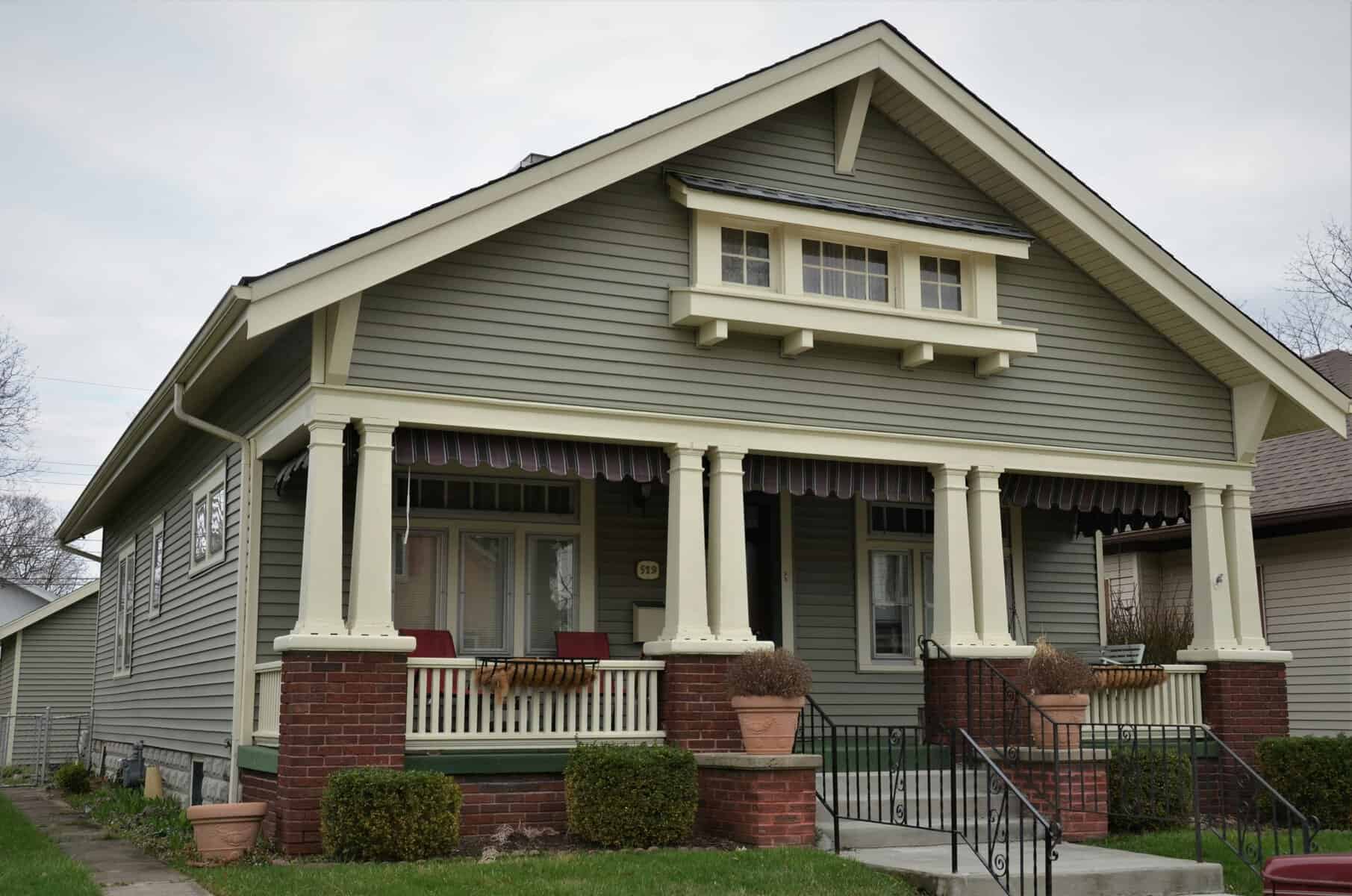
Craftsman bungalow homes are known for their timeless architecture, detailed woodwork, and inviting front porches, making them especially appealing to buyers who value character and craftsmanship. But when it comes time to sell, increasing the resale value of a Craftsman home isn’t always about making the property look newer – it’s about preserving its defining features while thoughtfully updating the spaces and systems modern buyers expect.
Whether you’re preparing to sell a Craftsman bungalow in Seattle, WA or renovating a character-filled home in Pasadena, CA, understanding which improvements are worth prioritizing can make all the difference. In this Redfin guide, we’ll explore expert-backed ways to enhance a Craftsman bungalow while staying true to its architectural roots, from strategic renovations to simple updates that make the home feel fresh and inviting.
In this article:
What is a Craftsman bungalow-style home?
Preserve the home’s original architecture and character
Address major systems before cosmetic upgrades
Upgrade windows and doors without sacrificing character
Improve energy efficiency
Keep the Craftsman’s traditional layout when possible
Boost curb appeal with Craftsman-appropriate colors and materials
Use paint and staging to create a fresh, inviting interior
How to increase the resale value of a Craftsman bungalow home: Final thoughts
What is a Craftsman bungalow-style home?
A Craftsman bungalow is a type of early 20th-century home known for its emphasis on craftsmanship, natural materials, and practical design. The style grew out of the broader American Craftsman movement, which emerged as a response to the ornate Victorian architecture of the late 19th century and favored simpler forms, handcrafted details, and a closer connection to nature. While Craftsman homes can vary in size and layout, bungalows are typically one or one-and-a-half-story homes with a low-profile design and a welcoming front porch.
Common features of a Craftsman bungalow include:
- Low-pitched roof: Broad, gently sloping roofs often feature wide, overhanging eaves and exposed rafters.
- Front porch: A prominent covered porch, often supported by tapered columns, is one of the style’s most recognizable features.
- Natural materials: Wood, stone, brick, and other natural materials are commonly used to create a warm, handcrafted appearance.
- Exposed beams and rafters: Structural elements are often intentionally visible and incorporated into the home’s design.
- Built-in features: Built-in bookcases, cabinetry, benches, and other woodwork are common and add both character and functionality.
- Distinctive windows: Craftsman bungalows may feature grouped or divided-light windows designed to complement the home’s horizontal proportions.
- Open but defined living spaces: While generally more connected than older Victorian floor plans, Craftsman homes often maintain distinct living, dining, and family areas rather than completely open-concept layouts.
- Emphasis on craftsmanship: Detailed woodwork, custom millwork, and carefully constructed architectural elements give the homes their distinctive character.
>>Read more: Buying a Historic Home: What to Know Before You Buy and How to Preserve It
Preserve the home’s original architecture and character
One of the biggest advantages of a Craftsman bungalow is its distinctive architectural character, so preserving original details should be a priority when making improvements.
“When remodeling a Craftsman bungalow, it is important to preserve the architectural style of the home,” shares Jeffrey Nott at Nott & Associates. “Period details like front porches and wood beams give the home comfort and charm harkening back to a simpler time.”
When updates are necessary, aim to complement the home’s existing architecture instead of competing with it. Thoughtful restoration can help maintain the features that make a Craftsman bungalow unique while allowing homeowners to improve comfort, functionality, and overall appeal for today’s buyers.
>>Check out: What Is My Home Worth?
Address major systems before cosmetic upgrades
Older homes can have outdated or deteriorated components that may surface during a buyer’s inspection, potentially creating costly negotiations or making the property less appealing. Addressing these projects first can give buyers greater confidence in the home and help ensure that cosmetic improvements add polish rather than distract from underlying issues.
“You don’t have to keep everything original, but you do have to keep it real. Craftsman buyers read materials before they read features,” states Oren Amir at Go Home Builders. “Spend what you can behind the walls on electrical, plumbing, foundation bolting, and seismic retrofit – that’s what kills deals at inspection, and it’s the one thing you can’t fix after you’ve listed.”
Consider prioritizing:
- Electrical: Have outdated wiring, service panels, or other electrical components evaluated and updated as needed.
- Plumbing: Address aging pipes, leaks, deteriorated drains, and other plumbing concerns before listing.
- Foundation: Inspect the foundation for structural issues and complete necessary repairs or reinforcement.
- Seismic retrofits: In earthquake-prone areas, consider foundation bolting and other seismic improvements that can make the home safer and more attractive to buyers.
Upgrade windows and doors without sacrificing character
Windows and doors can have a major impact on a Craftsman bungalow’s curb appeal, so replacing them is an opportunity to improve the home’s performance without losing its architectural character. If original windows are beyond repair, choose replacements that echo the home’s existing proportions, materials, and divided-light patterns rather than defaulting to generic modern styles.
“If the windows are shot, replace them with wood in the same divided-lite pattern, not vinyl.” Oren Amir recommends. “Same logic in the kitchen: quartz with big dramatic veining and cabinets wrapped in fake wood grain will date a house faster than an outdated kitchen ever did.”
When choosing replacement windows and doors, consider:
- Match the existing window pattern: Replicate the home’s original divided-light or muntin pattern whenever possible.
- Choose complementary materials: Wood or wood-clad options can help maintain the warmth and character associated with Craftsman architecture.
- Preserve distinctive proportions: Pay attention to the size, shape, trim, and placement of existing windows and doors.
- Keep the front door authentic: If the original door needs replacement, consider a wood-paneled design with glazing or other details that complement the home’s existing windows.
Improve energy efficiency
Improving energy efficiency can make a Craftsman bungalow more comfortable and appealing to buyers while potentially helping reduce ongoing utility costs. Because these homes were often built more than a century ago, updates such as insulation, air sealing, and efficient HVAC systems can improve performance without requiring homeowners to sacrifice the architectural details that give the property its character.
“To increase the resale value of a Craftsman bungalow, improve energy efficiency with appropriately styled windows and doors, insulation, and efficient HVAC systems,” suggests Cesar Espejo at Pasadena Craftsman. “Address major systems such as outdated plumbing, deteriorated cast-iron drains, knob-and-tube wiring, and the electrical service panel.”
Consider energy-efficient improvements such as:
- Insulation: Add or improve insulation in areas such as the attic, walls, or crawl space where appropriate.
- Efficient HVAC: Replace outdated heating and cooling equipment with a more efficient system sized appropriately for the home.
- Air sealing: Address drafts and air leaks around windows, doors, and other openings to improve comfort and efficiency.
- Energy-efficient upgrades: Consider modern improvements that remain visually compatible with the home’s Craftsman architecture.
Keep the Craftsman’s traditional layout when possible
When updating a Craftsman bungalow, resist the urge to completely reconfigure the floor plan simply to make the home feel more modern. Traditional Craftsman layouts were designed to create a natural flow between living spaces while still giving rooms distinct purposes, and features such as defined living and dining areas can contribute to the home’s sense of character.
“Craftsman homes may not have the comfort and features of newer more spacious kitchens, baths, and closets but resist going open concept modern,” says Jeffrey Nott. “Keep the formality of the Craftsman home living, dining, and family room. The goal is to improve the home without losing the classic style and charm that makes a Craftsman home so special.”
Rather than removing walls to create one large open-concept space, consider ways to improve functionality while preserving the home’s existing layout:
- Maintain defined living areas: Keep the living, dining, and family rooms distinct when the original floor plan allows.
- Improve flow: Use furniture placement, lighting, and strategic openings to make rooms feel connected without eliminating their individual identities.
- Update for modern needs: Add storage, improve kitchen functionality, or refresh bathrooms without completely changing the home’s footprint.
- Preserve architectural details: Keep features such as built-ins, columns, wood trim, and openings between rooms that help define the Craftsman style.
Boost curb appeal with Craftsman-appropriate colors and materials
A Craftsman bungalow’s exterior is one of its biggest selling points, so thoughtful curb appeal improvements can help make a strong first impression without compromising the home’s character.
“For the exterior, choose a Craftsman three-color scheme that accentuates the windows, porch, and woodwork,” Jeffrey Nott suggests.
When updating the exterior, consider:
- Choose a complementary color palette: Use two or three coordinated paint colors to distinguish the home’s main body, trim, and accent features.
- Highlight architectural details: Use contrasting but complementary colors on windows, porch columns, trim, and woodwork to make these features stand out.
- Refresh the front porch: Repair worn wood, railings, or columns and keep the porch inviting, since it is often one of the home’s most recognizable features.
- Don’t overlook the front door: A carefully chosen stain or accent color can draw attention to the entry while complementing the rest of the exterior.
Use paint and staging to create a fresh, inviting interior
A fresh coat of paint and thoughtful staging can help a Craftsman bungalow feel brighter, more welcoming, and move-in ready without requiring major renovations. The goal is to make the interior feel fresh without making it feel generic.
“To increase the resale value of a Craftsman bungalow, the idea is to honor its historic character while making it feel fresh, current, and inviting – because home decor and style, much like fashion, evolves over time,” Ted Clark & Heather Lillard say. “Light, warm paint colors can help brighten the interiors, while thoughtful staging can be used to soften wood accents that often define Craftsman architecture. The end result is a contemporary feel without sacrificing the home’s original charm.”
When preparing the interior for sale, consider:
- Work with existing wood accents: Instead of painting over original woodwork, use furnishings, textiles, and wall colors that soften or balance its visual weight.
- Highlight built-ins and architectural details: Arrange furniture and decor so buyers notice original cabinetry, beams, fireplaces, trim, and other character-rich features.
- Keep staging inviting: Use appropriately scaled furniture and simple decor to help buyers picture themselves living in the space without making rooms feel crowded.
- Create a cohesive look: Choose a consistent color palette throughout the home so the rooms feel connected while retaining their individual character.
How to increase the resale value of a Craftsman bungalow home: Final thoughts
Increasing the resale value of a Craftsman Bungalow home is all about striking the right balance between preserving its original character and making thoughtful updates for modern buyers. From addressing major systems and improving energy efficiency to refreshing kitchens, enhancing curb appeal, and choosing authentic materials, strategic improvements can help a Craftsman Bungalow feel both timeless and move-in ready.